
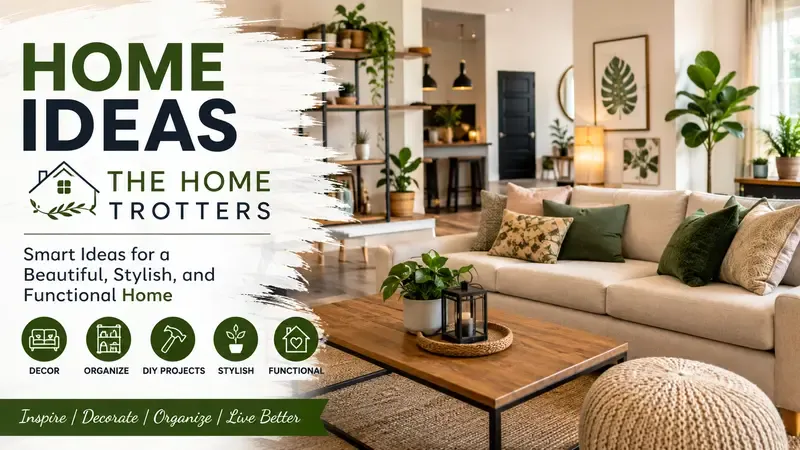
Creating a beautiful home is about more than decoration. It is about making every room comfortable, organized, practical, and reflective of your personal style. TheHomeTrotters focuses on smart blog home ideas that help homeowners improve their living spaces without unnecessary expense or complicated projects.
From simple organization techniques and stylish décor updates to space-saving solutions and practical home improvements, these ideas can make everyday living easier and more enjoyable. Whether you are refreshing a single room, working with a small space, or planning a larger home makeover, thoughtful changes can have a noticeable impact.
The goal is to combine style, comfort, functionality, and affordability. With the right approach, even small improvements—such as better storage, updated lighting, refreshed colors, or smarter furniture placement—can transform a home’s look and feel. TheHomeTrotters provides practical inspiration for creating a home that looks beautiful while working better for everyday life.
What Makes a Home Beautiful and Functional?
A beautiful home is more than an attractive collection of furniture and decorations. It should feel welcoming while supporting your daily activities.
A functional home typically has:
- Practical furniture arrangements
- Sufficient storage
- Comfortable lighting
- Easy-to-maintain surfaces
- Well-organized rooms
- A balanced combination of style and practicality
When these elements work together, your home becomes easier to enjoy and maintain.
1. Start With a Simple Home Plan
Before buying new furniture or decorations, consider what you want to improve.
Walk through each room and identify areas that feel crowded, empty, outdated, or difficult to use. You may discover that rearranging existing furniture can solve a problem without spending money.
Create a simple plan based on three questions:
What should change?
Identify the biggest problem in the room.
What should stay?
Keep useful furniture and features that still work well.
What can be improved?
Look for affordable changes such as better lighting, storage, paint, textiles, or organisation.
This approach prevents unnecessary purchases and keeps your home-improvement project focused.
2. Make the Living Room More Inviting
The living room is often the centre of the home, so comfort should come first.
Arrange seating so people can talk and move around easily. Avoid pushing every piece of furniture against the walls if it makes the room feel disconnected.
You can also introduce style through:
- Decorative cushions
- Area rugs
- Curtains
- Artwork
- Indoor plants
- Floor or table lamps
- A simple coffee table centerpiece
Choose a consistent color palette rather than using too many unrelated colors. Two or three primary tones can create a more coordinated appearance.
3. Give Your Walls a Fresh Look
Walls offer one of the easiest ways to change a room’s character.
A fresh coat of paint can make a space feel cleaner and brighter. Light neutral shades can help smaller rooms appear more open, while a carefully selected darker shade can create an attractive accent wall.
If painting is not an option, consider:
- Framed artwork
- Mirrors
- Floating shelves
- Decorative wall panels
- Family photographs
- Simple botanical prints
Avoid covering every wall. Leaving some open space can make the room feel calmer and more sophisticated.
4. Improve Home Organization
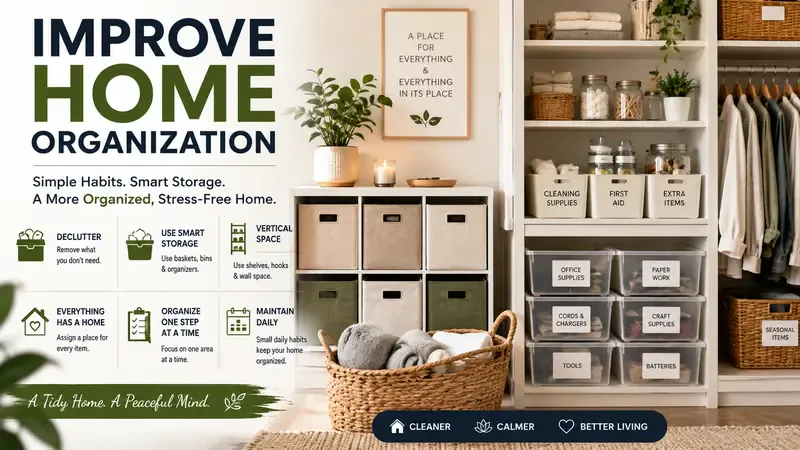
Good organization can make a stylish home feel even better.
Start by removing items you no longer use. Then organize the remaining belongings by how often you need them.
Useful solutions include:
- Storage baskets
- Drawer organizers
- Shelving units
- Under-bed storage
- Entryway hooks
- Multi-purpose furniture
For small homes, use vertical space whenever possible. Tall shelves can add storage without taking up much floor space.
5. Create a More Stylish Bedroom
Your bedroom should feel peaceful, not crowded.
Start with a comfortable bed and choose bedding that complements the room’s color scheme. Soft lighting can create a relaxing atmosphere, while bedside storage keeps essential items within easy reach.
Keep decorative items limited. A few carefully selected pieces often look better than a large collection.
You can also improve the bedroom by adding:
- Layered bedding
- A small reading light
- Curtains
- A soft rug
- Minimal wall artwork
- Organized bedside tables
The goal is to create a room that feels personal, comfortable, and uncluttered.
6. Make the Kitchen More Practical
A stylish kitchen should also make cooking and cleaning easier.
Keep frequently used appliances and utensils within convenient reach. Store less-used items in cabinets or higher storage areas.
Simple improvements can include:
- Cabinet organizers
- Pull-out storage
- Wall-mounted racks
- Drawer dividers
- Clear food containers
- Under-sink organizers
You do not necessarily need a complete kitchen remodel. Updating cabinet handles, improving lighting, organizing countertops, or adding a small decorative element can create a noticeable change.
7. Use Lighting to Transform Your Home
Lighting strongly influences how a room looks and feels.
Instead of depending on one overhead fixture, combine different types of lighting. Ambient lighting provides general illumination, task lighting helps with specific activities, and accent lighting highlights decorative features.
For example, you could use:
Living room: floor lamps and accent lighting
Kitchen: brighter task lighting
Bedroom: warm bedside lamps
Workspace: focused desk lighting
Natural light is equally important. Keep windows clear, and use curtains that let in daylight when privacy permits.
8. Add Natural Elements
Plants can bring freshness and visual interest to almost any room.
Choose plants according to the amount of natural light available. If you don’t have time for regular plant care, choose low-maintenance varieties.
Natural elements can also include:
- Wooden furniture
- Woven baskets
- Natural-fibre rugs
- Stone accessories
- Fresh flowers
These materials can create a warmer, more welcoming environment without major changes.
9. Make Small Spaces Work Better
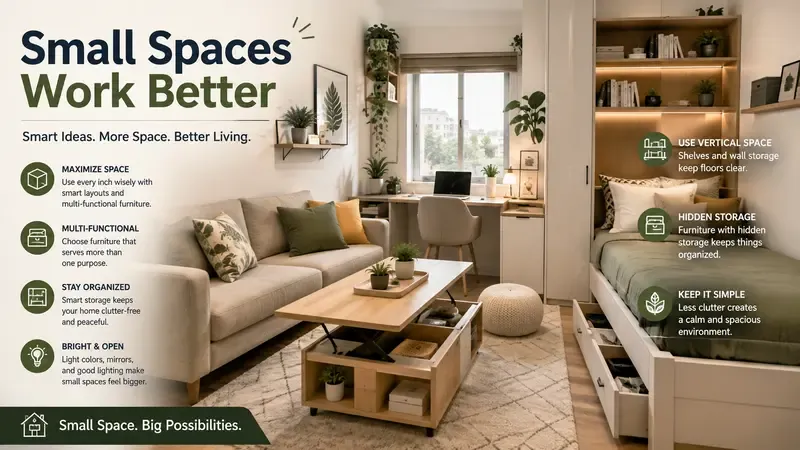
Small rooms require careful planning.
Instead of filling a small space with large furniture, select pieces that serve multiple purposes. A storage ottoman, foldable table, or bed with built-in storage can provide additional functionality.
Use mirrors strategically to reflect light and create a sense of openness. Keep pathways clear and avoid excessive decoration.
A small room can feel spacious when every item has a purpose.
10. Refresh Your Home on a Budget
Home improvement does not have to be expensive.
Some of the most effective changes cost relatively little. Repainting a room, changing cabinet hardware, rearranging furniture, replacing outdated curtains, or adding new cushions can refresh an interior without a major investment.
Before purchasing anything, consider whether you can:
- Reuse an existing item.
- Rearrange the room.
- Repair something instead of replacing it.
- Repurpose furniture.
- Complete the improvement yourself.
This approach can help homeowners achieve attractive results while controlling costs.
11. Improve Your Outdoor Living Space
Your home’s style does not have to stop at the front door.
A patio, balcony, porch, or backyard can become an extension of your living space. Comfortable seating, outdoor lighting, planters, and weather-resistant accessories can make these areas more useful.
For a simple outdoor upgrade, consider creating a small seating area with a table, comfortable chairs, plants, and appropriate lighting.
Keep maintenance in mind when choosing outdoor materials. Durable options can save time and money in the long term.
12. Focus on Home Maintenance
A beautiful home also needs regular care.
Small maintenance tasks can prevent bigger problems later. Regularly check plumbing fixtures, doors, windows, lighting, ventilation, and exterior surfaces.
Create a seasonal maintenance routine. For example, spring can be a good time to inspect outdoor areas, while colder months may require attention to insulation and heating systems.
Regular maintenance protects your investment and helps your home remain comfortable.
13. Choose Quality Over Clutter
One of the simplest ways to make a home look more sophisticated is to reduce unnecessary clutter.
Instead of buying many inexpensive decorative items, choose fewer pieces that you genuinely like and that complement the room.
A carefully selected lamp, artwork, rug, or furniture piece can have more visual impact than numerous unrelated accessories.
Think of every item as contributing either a function, comfort, or character. If something does none of these things, consider whether you really need it.
14. Create a Consistent Home Style
Every room does not need to look identical, but your home should have some visual connection between spaces.
You can create consistency through:
- Similar colors
- Matching wood tones
- Repeated textures
- Complementary materials
- Consistent hardware finishes
For example, if you use warm wood and neutral colors in your living room, you can carry those elements into the bedroom or hallway.
This creates a more cohesive overall appearance.
Smart Home Ideas for the Future
Modern homeowners increasingly want spaces that are not only attractive but also efficient and adaptable.
Smart lighting, energy-efficient appliances, improved insulation, water-saving fixtures, and better storage can make a home more practical.
However, technology should solve a genuine problem rather than simply add complexity. Choose improvements that make everyday life easier, reduce unnecessary energy use, or improve comfort.
Sustainable choices can also become part of your home strategy. Repairing furniture, reusing materials, choosing durable products, and reducing waste can help create a home that remains useful for years.
Final Thoughts
Blog Home Ideas TheHomeTrotters: Smart Ideas for a Beautiful, Stylish, and Functional Home is ultimately about finding the right balance between appearance and everyday living. A successful home doesn’t need to follow every design trend or include expensive furnishings. It should reflect your needs, lifestyle, personality, and budget.
Start with small improvements. Organize a cluttered room, improve the lighting, refresh the walls, rearrange furniture, or introduce a few natural elements. As these changes come together, your home can become more comfortable, attractive, and efficient.
The best home is not simply the one that looks beautiful in photographs. It is the one that works beautifully for the people who live there.
For more information, visit my website, BetterHomeBlogs.