
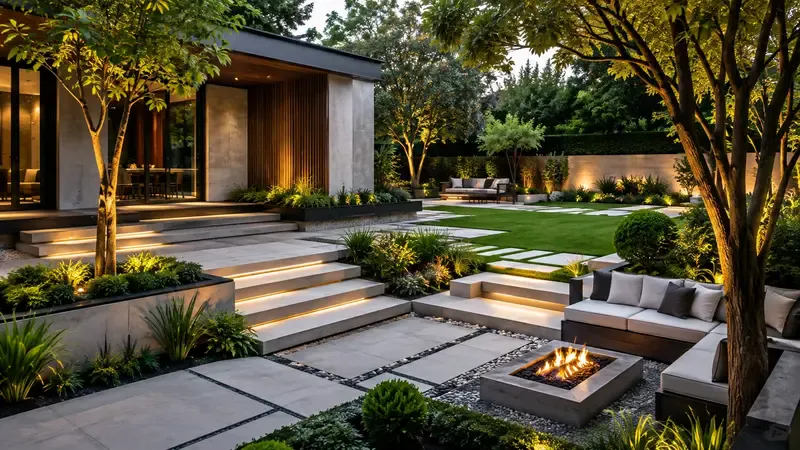
KDArchitects Landscape Ideas From Morph focuses on practical and creative ways to improve outdoor spaces through thoughtful landscape design. The approach combines natural elements, functional layouts, attractive materials, and comfortable outdoor areas to create balanced, inviting environments. Instead of adding unnecessary features, the focus is on using available space intelligently while maintaining harmony between the landscape and the surrounding architecture.
These ideas apply to gardens, patios, courtyards, terraces, and larger residential outdoor areas. Plant selection, pathways, seating, lighting, privacy, and sustainable landscaping all play important roles in creating a successful outdoor environment. Layered plants can add depth, while trees and shrubs can provide shade and privacy. Natural materials such as stone, timber, gravel, and brick can complement greenery and create a cohesive appearance.
Sustainability is another important consideration. Native plants, efficient irrigation, permeable surfaces, rainwater management, and low-maintenance planting can reduce environmental impact and ongoing maintenance. With careful planning, even a small outdoor area can become practical, attractive, and comfortable. The right landscape ideas can ultimately turn an ordinary exterior into a welcoming space for relaxation, entertainment, and everyday living.
What Are KDArchitects Landscape Ideas From Morph?
The concept focuses on creating outdoor environments where different elements work together naturally. Instead of treating the garden as a separate part of the property, landscape design can extend the building’s architecture.
This approach can include:
- Natural planting schemes
- Modern pathways
- Functional outdoor areas
- Carefully selected materials
- Comfortable seating zones
- Water and lighting features
- Sustainable landscaping solutions
- Strong connections between indoor and outdoor spaces
The goal is to create a landscape that looks attractive while also serving a practical purpose.
1. Create a Strong Connection Between Home and Garden
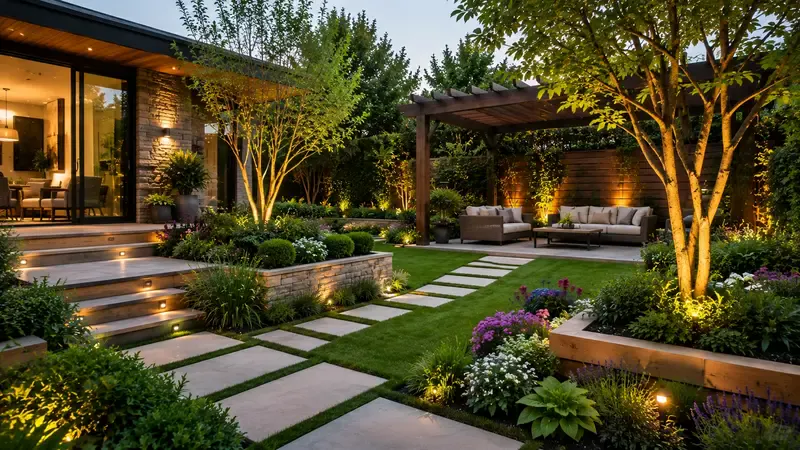
One of the most effective landscape ideas is to connect interior and exterior spaces. Large windows, sliding doors, patios, terraces, and carefully positioned planting can make the transition between the home and garden feel seamless.
For example, a living room that opens onto a landscaped patio can create an additional area for relaxing or entertaining. Consistent flooring materials or complementary colors can strengthen the visual connection.
This approach makes the garden feel like part of the home’s overall design rather than an isolated outdoor area.
2. Use Layers of Plants
A successful landscape rarely depends on a single plant type. Layering creates depth and visual interest.
Consider combining:
- Tall trees for structure and shade
- Medium-height shrubs for volume
- Grasses for movement and texture
- Ground-cover plants for softer edges
- Seasonal flowers for color
Planting in layers can also help define different zones without relying entirely on walls or fences.
3. Design Outdoor Spaces for Real Life
A beautiful garden should also be useful. Think about how people will actually use the space before choosing materials or plants.
A landscape might include separate areas for
Relaxation: Comfortable seating beneath trees or a pergola.
Dining: A paved terrace close to the kitchen.
Entertainment: An open area for gatherings and outdoor activities.
Gardening: Raised beds or dedicated planting zones.
Privacy: Trees, shrubs, screens, or strategically positioned structures.
Planning around daily activities makes the landscape more functional and easier to enjoy.
4. Introduce Natural Materials
Materials strongly influence the personality of an outdoor space. Stone, timber, brick, gravel, and natural-looking concrete can create a sense of permanence while complementing surrounding vegetation.
For a contemporary landscape, clean lines and simple materials can produce a refined appearance. More traditional gardens may benefit from irregular stone, timber details, and softer pathways.
The important point is to select materials that complement both the architecture and the surrounding environment.
5. Make Small Gardens Feel Larger
Limited outdoor space does not mean limited design possibilities. Smart planning can make a small garden appear more spacious.
Use simple planting schemes instead of overcrowding the area. Keep pathways visually clear and consider vertical gardening for additional greenery.
Mirrors, lighter materials, layered planting, and carefully positioned focal points can also influence how large a garden feels.
A small courtyard can become a comfortable outdoor room when every element has a clear purpose.
6. Add Sustainable Landscape Features
Modern landscape design increasingly considers environmental responsibility. Sustainable features can reduce maintenance while supporting local ecosystems.
Useful ideas include:
- Native or climate-appropriate plants
- Rainwater collection
- Permeable paving
- Composting areas
- Efficient irrigation
- Organic soil improvement
- Shade trees
- Reduced lawn areas
Choosing plants suited to the local climate can also reduce unnecessary watering and maintenance.
7. Use Lighting to Transform the Landscape
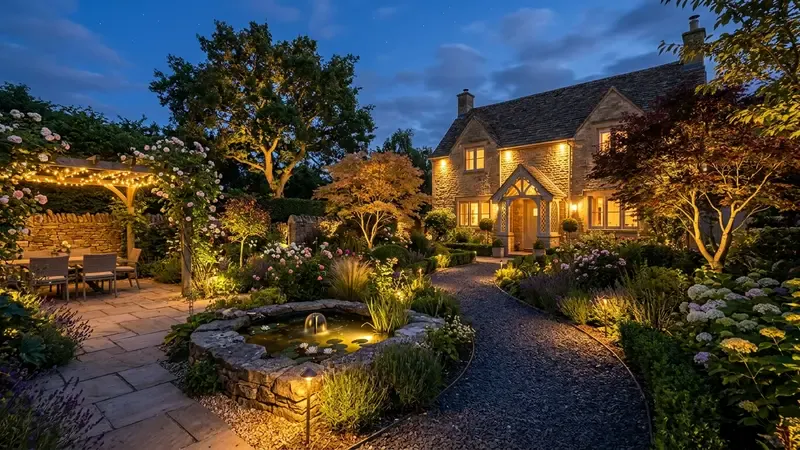
Outdoor lighting can completely change a garden’s atmosphere after sunset. Instead of illuminating every area equally, use lighting strategically.
Path lights can improve visibility, while subtle uplighting can highlight trees or architectural features. Warm accent lighting around seating areas can create a comfortable atmosphere for evening gatherings.
Good lighting should enhance the landscape without becoming overwhelming.
8. Create a Clear Focal Point
Every successful landscape benefits from a feature that immediately attracts attention. This could be a mature tree, sculpture, water feature, fire pit, architectural structure, or carefully designed planting bed.
A focal point gives the eye somewhere to rest and can help organize the surrounding space.
However, too many focal points can make a garden feel cluttered. Choose one major feature and allow supporting elements to complement it.
9. Incorporate Water Thoughtfully
Water can add movement, sound, and visual interest to a landscape. A small pond, contemporary water wall, fountain, or reflecting pool can become a memorable feature.
Water features should match the property’s scale. A large installation may overwhelm a compact garden, while a small courtyard can benefit from a simple wall-mounted or container water feature.
Consider maintenance before installation.
10. Build Privacy Naturally
Privacy is an important part of comfortable outdoor living. Instead of depending entirely on solid walls, consider natural screening.
Trees, hedges, climbing plants, bamboo alternatives, and layered shrubs can create attractive boundaries while maintaining a softer appearance.
The best privacy solution depends on the property’s orientation, neighboring buildings, sunlight, and desired level of separation.
11. Balance Hardscape and Softscape
Landscape design generally combines two major elements: hardscape and softscape.
Hardscape includes patios, walls, paths, steps, decks, and other constructed features. Softscape includes plants, lawns, trees, flowers, and soil.
Too much hardscape can make a garden feel cold, while excessive planting can make the space difficult to maintain. A thoughtful balance creates a landscape that feels structured but natural.
12. Plan for Long-Term Growth
A landscape should not only look good immediately after installation. Plants grow, trees become larger, and outdoor spaces change over time.
Before planting, consider each plant’s mature size. Give trees enough room for their roots and branches, and avoid placing large plants too close to buildings or utility areas.
Long-term planning can prevent expensive changes later.
Why Thoughtful Landscape Planning Matters
The strongest landscape designs combine beauty with purpose. A well-planned garden can improve outdoor comfort, increase usable space, support biodiversity, and complement a property’s architecture.
KDArchitects’ landscape ideas from Morph reflect a design philosophy centered on harmony between built structures and natural environments. The emphasis should remain on thoughtful planning rather than simply adding more decorative features.
Future Landscape Trends
Landscape design is continuing to evolve. Future outdoor spaces are likely to place greater emphasis on sustainability, low-maintenance planting, multifunctional areas, smart irrigation, native vegetation, and climate-conscious materials.
Homeowners are also increasingly treating gardens as additional living spaces. Outdoor kitchens, dining areas, shaded seating, workspaces, and flexible entertainment zones can extend a property’s usefulness year-round.
Technology may also play a larger role through automated irrigation, smart lighting, weather monitoring, and garden-management systems. For more
Final Thoughts
KDArchitects landscape ideas from Morph highlight an important principle of outdoor design: a successful landscape should work with the architecture, environment, and lifestyle of the people who use it. From layered planting and natural materials to sustainable solutions and carefully planned outdoor rooms, every element can contribute to a more beautiful and functional space.
The best landscape is not necessarily the most expensive one. It is the one that uses space intelligently, responds to its surroundings, remains practical over time, and creates an outdoor environment people genuinely enjoy.