
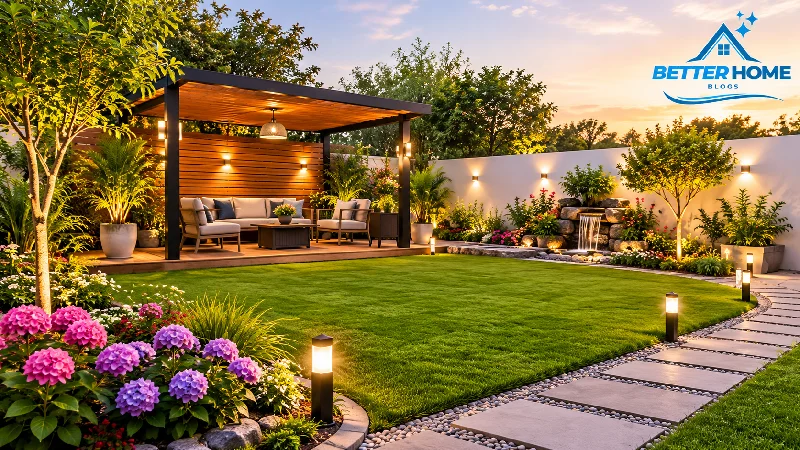
Creating a beautiful garden is about more than planting flowers and adding decorative features. A well-designed garden combines functionality, visual appeal, and a healthy environment. Whether you have a small backyard, a spacious lawn, or a limited outdoor area, the right planning can transform your space into a relaxing and attractive outdoor retreat.
Understanding how to design a garden layout kdagardenation can help homeowners organize their outdoor spaces more effectively. By considering sunlight, soil conditions, plant selection, pathways, and available space, you can develop a garden that reflects your personal style while remaining easy to maintain.
This guide explores practical garden design techniques to help beginners and experienced gardeners create a balanced and functional outdoor environment.
Evaluate Your Garden Space Before Planning
The first step in designing a successful garden is understanding the space you have available. Before purchasing plants or materials, examine your outdoor area carefully.
Start by measuring the garden’s length and width. Identify existing structures, walls, fences, trees, and drainage areas that may influence your design.
Pay particular attention to sunlight exposure. Some plants require several hours of direct sunlight, while others grow better in partially shaded locations. Soil quality and drainage are equally important because they influence plant health and development.
According to the Royal Horticultural Society (RHS), creating an accurate garden plan helps homeowners understand their space and make better design decisions before construction begins.
Choose a Garden Style That Matches Your Home
Selecting a consistent garden style makes your outdoor space look organized and visually appealing. Your preferred design should complement your home’s architecture, available space, and lifestyle.
Here are some popular garden styles to consider:
- Modern Garden: Features clean lines, geometric shapes, decorative stones, and simple planting arrangements.
- Cottage Garden: Combines colorful flowers, climbing plants, and natural-looking pathways.
- Tropical Garden: Uses lush foliage, bold flowers, and plants suited to warm conditions.
- Minimalist Garden: Focuses on simplicity, open spaces, and a limited selection of plants.
- Traditional Garden: Incorporates symmetrical layouts, structured flower beds, and classic landscaping features.
Choose one primary style and maintain consistency throughout the design. This creates a more harmonious appearance without making the garden feel overcrowded.
Create a Functional Garden Layout
A practical layout is the foundation of a successful garden. Instead of placing plants randomly, divide your outdoor area into functional sections according to how you intend to use the space.
For example, you can create separate areas for flower beds, vegetable gardening, relaxation, and walking paths.
A simple garden layout may include:
- A central lawn or open green space.
- Flower beds along the garden boundaries.
- A comfortable seating area in a suitable location.
- Clearly defined pathways connecting different sections.
- A dedicated area for herbs or vegetables.
When deciding how to design a garden layout kdagardenation, remember that accessibility and plant spacing are just as important as appearance.
Leave sufficient room for plants to grow naturally and ensure that pathways provide convenient access for watering, pruning, and other maintenance activities.
Select Plants According to Climate and Soil Conditions
Plant selection has a major influence on the long-term success of your garden. Attractive plants may not necessarily be suitable for your local environment.
Before choosing varieties, research their sunlight requirements, watering needs, soil preferences, and expected mature sizes.
Whenever possible, select native or locally adapted plants because they are generally better suited to regional growing conditions.
Consider incorporating different plant categories:
- Flowering plants: Add seasonal colors and visual interest.
- Evergreen plants: Maintain greenery throughout the year.
- Ground covers: Help fill empty spaces and reduce exposed soil.
- Shrubs: Provide structure, privacy, and natural boundaries.
- Herbs: Offer practical benefits alongside decorative appeal.
Combining plants with different heights, textures, and flowering periods creates a more attractive garden throughout the seasons.
Incorporate Pathways and Decorative Features
Hardscaping elements provide structure and improve the functionality of outdoor spaces. These features include pathways, patios, benches, garden borders, and decorative stones.
A thoughtfully positioned pathway can connect different garden zones while making movement easier. Natural stone, gravel, bricks, and paving materials are popular options.
You can also introduce comfortable outdoor seating, suitable lighting, or a small water feature to create a welcoming atmosphere.
However, avoid adding too many decorative elements. Every feature should serve a purpose and complement the overall garden design.
For smaller gardens, vertical planters and wall-mounted containers are particularly useful because they make better use of limited space.
Prepare a Realistic Garden Budget
A beautiful garden does not require an expensive landscaping project. With proper planning, you can create an attractive outdoor space while controlling your expenses.
Begin by listing essential materials, including plants, soil improvements, gardening tools, pathways, and irrigation supplies.
Compare prices from local nurseries and consider growing suitable plants from seeds or cuttings. Reusing existing containers and materials can also reduce unnecessary spending.
It is often better to complete your garden in stages rather than purchasing everything at once. Start with essential improvements and gradually introduce additional features as your budget allows.
Focus on Long-Term Garden Maintenance
Garden design does not end after planting. Regular maintenance is necessary to preserve the appearance and health of your outdoor space.
Develop a simple maintenance routine that includes watering, pruning, removing weeds, and monitoring plants for pests or diseases.
Apply suitable organic mulch around plants to help retain soil moisture and reduce weed growth. Water according to actual soil conditions and weather rather than following an inflexible schedule.
When planning how to design a garden layout kdagardenation, always consider future maintenance requirements. A beautiful garden that is difficult to maintain may eventually become overcrowded or neglected.
Common Garden Design Mistakes to Avoid
Even a well-intentioned garden project can encounter problems when important details are overlooked.
Avoid these common mistakes:
- Choosing plants without considering local climate conditions.
- Ignoring soil quality and drainage requirements.
- Planting too closely together.
- Creating pathways that are difficult to access.
- Adding excessive decorative features.
- Selecting plants with demanding maintenance requirements.
- Forgetting to consider how plants will grow over time.
Taking time to plan these details can prevent unnecessary expenses and improve the long-term results of your garden.
Final Thoughts
Designing a beautiful outdoor space requires creativity, thoughtful planning, and an understanding of basic gardening principles. From evaluating sunlight and soil conditions to organizing functional zones and choosing suitable plants, every decision contributes to the final result.
If you want to understand how to design a garden layout kdagardenation, start with a simple plan, prioritize functionality, and select plants that suit your environment. Remember that successful garden design is not about adding the most expensive features but creating a comfortable, balanced, and sustainable space.
With consistent care and a practical approach, you can transform almost any outdoor area into a beautiful garden that provides enjoyment for years to come.