
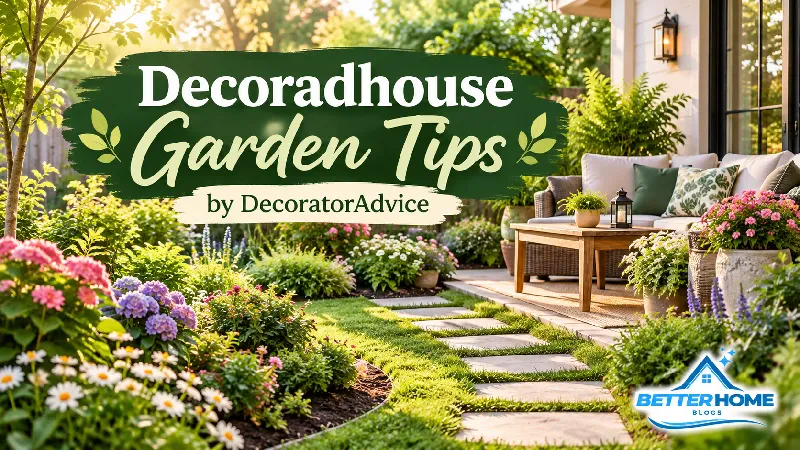
A beautiful garden can make any home feel more welcoming, peaceful, and connected to nature. Whether you have a spacious backyard, a small patio, or a balcony with a few plant pots, the right gardening approach can help you create an attractive outdoor space without spending too much money.
Decoradhouse garden tips by DecoratorAdvice focus on combining garden design, suitable plant selection, simple decoration, and regular maintenance. These ideas can help beginners and experienced gardeners organize their outdoor spaces while keeping plant care manageable.
However, a successful garden needs more than attractive flowers and decorative pots. Sunlight, soil quality, drainage, climate, and watering habits all affect plant health. By understanding these basics before making changes, you can create a garden that looks beautiful and stays practical year-round.
What Are Decoradhouse Garden Tips by DecoratorAdvice?
Decoradhouse garden tips by DecoratorAdvice refer to practical ideas for improving the appearance, organization, and health of home gardens. The approach combines gardening fundamentals with outdoor decoration to create spaces that suit different homes, budgets, and lifestyles.
Instead of filling every corner with plants or expensive accessories, the goal is to make thoughtful choices that support plant growth and improve the overall design.
These gardening ideas generally cover:
- Planning a garden according to available space.
- Choosing plants that suit local weather and sunlight.
- Improving soil quality and drainage.
- Using pots, garden borders, and pathways effectively.
- Creating attractive seating and relaxation areas.
- Maintaining plants through regular seasonal care.
- Reducing water waste and unnecessary gardening expenses.
The most useful approach is to adapt these suggestions to your own conditions rather than following every design trend.
Plan Your Garden Before Buying Plants
Good garden design begins with a clear plan. Before purchasing flowers, shrubs, containers, or furniture, consider how you want to use your outdoor space.
For example, a family garden may need an open area for children, while a small patio might benefit from compact furniture and container plants. If you want to grow fresh food, you may prefer raised beds and a dedicated herb section.
Start by measuring your available space and observing how sunlight moves across it during the day. Identify shaded corners, windy areas, and places where water collects after rain.
Next, divide the garden into practical zones:
- Planting zone: Flowers, shrubs, vegetables, or herbs.
- Relaxation zone: A bench, outdoor chairs, or a small table.
- Walking zone: A clear path that provides easy access to plants.
- Decorative zone: A focal plant, attractive planter, or simple garden feature.
This basic layout helps prevent overcrowding and makes future maintenance easier.
Choose Plants That Match Your Climate
Plant selection is one of the most important parts of successful gardening. A plant may look beautiful in a photograph but struggle in your garden if the temperature, soil, or sunlight does not suit its needs.
Before buying a plant, check its growing requirements and expected mature size.
For sunny locations, consider suitable flowering plants, herbs, or vegetables. Shadier areas may support ferns and other shade-tolerant plants, depending on the local climate.
Here are a few examples:
| Plant type | Common examples | Important consideration |
|---|---|---|
| Flowering plants | Marigolds, zinnias | Check sunlight and seasonal requirements |
| Culinary herbs | Basil, thyme, parsley | Match watering and light needs |
| Shade plants | Ferns | Protect from excessive direct sunlight |
| Container plants | Succulents, compact flowers | Provide suitable drainage |
| Climbing plants | Beans, selected flowering vines | Supply appropriate support |
These are general examples, not universal recommendations. Always check whether a particular variety can grow successfully in your region.
Native plants are also worth considering because many are adapted to local weather and can provide food or shelter for native wildlife.
Improve Soil Quality for Healthier Plants
Healthy soil supports strong roots, steady growth, and better water management. Even an attractive garden can struggle when the soil becomes compacted, drains poorly, or lacks suitable nutrients.
Begin by checking the soil’s texture and drainage. If water remains around the roots for long periods, some plants may develop root problems. Other plants may struggle when sandy soil dries too quickly.
To improve garden soil, consider these practices:
- Add mature compost when appropriate for the plants and soil.
- Avoid walking repeatedly over planting beds.
- Keep soil covered with a suitable layer of organic mulch.
- Test soil pH when plant performance or local conditions suggest a problem.
- Use fertilizers according to product instructions and actual plant needs.
Don’t add fertilizer just because a plant looks unhealthy. Yellow leaves and slow growth can result from watering problems, pests, poor drainage, or unsuitable light rather than nutrient deficiency.
A soil test can help identify the problem before you spend money on unnecessary products.
Use Layering to Create a Professional Garden Design
A well-organized garden often combines plants of different heights, textures, and shapes. This arrangement creates depth and helps individual plants stand out.
Place taller shrubs or suitable background plants behind medium-height flowers. Place smaller plants near the front of a border so they stay visible. Ground-cover plants can soften pathway and planting-bed edges when they suit the location.
You can also repeat a few plant varieties throughout the garden. Repetition creates visual consistency without requiring a large collection of different species.
For example, a simple garden design might combine:
- Taller greenery along a fence.
- Medium-sized flowering plants in the central bed.
- Low-growing plants along the border.
- Matching containers near the entrance.
Leave enough space between plants for their mature growth. A garden may look sparse immediately after planting, but overcrowding can create competition for sunlight, water, and nutrients later.
Make Small Gardens Look Bigger
A small garden can still feel attractive and functional. The key is to use space carefully rather than filling every available corner with decoration.
Vertical gardening is especially useful for balconies, narrow patios, and compact yards. Wall-mounted planters, hanging baskets, and suitable trellises allow you to grow plants upward while preserving floor space.
Other useful ideas include:
Choose compact furniture: A small bench or folding table can provide seating without blocking movement.
Group containers thoughtfully: Arrange pots in different heights while keeping their colors and materials coordinated.
Keep pathways clear: Open walking space makes a compact garden feel less crowded.
Use a consistent color palette: Two or three complementary colors can look cleaner than many unrelated shades.
Grow suitable herbs in containers: Basil, parsley, and other herbs can add useful greenery when conditions are right.
Before installing wall planters or hanging baskets, make sure the structure can support their weight and that excess water can drain safely.
Add Simple Decorations Without Creating Clutter
Garden decoration should complement the plants rather than compete with them. A few well-chosen details can make an outdoor area feel more complete without increasing maintenance.
Consider adding a small garden bench, decorative pots, a simple pathway, or weather-resistant outdoor cushions. Natural materials such as stone and wood can create a warm appearance when they suit the surrounding design.
A focal point can also improve the layout. It might be a flowering shrub, a distinctive planter, a small water feature, or a garden arch.
Choose one main feature instead of placing several large decorations close together. This helps the garden look balanced.
If your budget is limited, start with the features that make the biggest practical difference. Healthy plants, clean borders, and an organized layout often improve a garden more than expensive accessories.
Water Plants According to Their Needs
Watering is essential, but more water does not always mean healthier plants. Excessive watering can reduce oxygen around roots and encourage root diseases, while insufficient water can cause wilting and poor growth.
The right watering schedule depends on plant species, temperature, soil, container size, and recent rainfall.
Use these practical guidelines:
- Check the soil moisture before watering.
- Water the root zone rather than wetting the foliage unnecessarily.
- Water thoroughly when needed instead of applying frequent, very small amounts.
- Make sure containers have suitable drainage holes.
- Check potted plants more frequently during hot or windy weather.
- Adjust watering after rain and during cooler periods.
Morning watering often helps because it lets plants take up moisture before the hottest part of the day. However, your routine should follow the plant’s needs and local conditions.
For larger gardens, drip irrigation or a soaker hose may help deliver water directly to the soil and reduce waste.
Use Mulch to Protect Garden Soil
Mulching is a practical way to support soil moisture and improve the appearance of planting beds. Suitable organic mulches include shredded leaves, wood chips, and other materials appropriate for the plants and local conditions.
A suitable mulch layer can help slow evaporation, moderate soil temperature, and reduce weed growth.
Follow these basic steps:
- Remove established weeds before applying mulch.
- Spread mulch evenly across the soil surface.
- Keep it from touching plant stems and tree trunks directly.
- Check the layer periodically and replenish it when necessary.
Avoid piling mulch into thick mounds around trunks. Excessive moisture against bark can contribute to plant health problems.
Mulch is not a substitute for proper watering or soil preparation, but it can make routine garden care easier.
Create a Comfortable Outdoor Seating Area
A garden becomes more useful when it offers a comfortable place to sit and relax. You do not need a large patio or expensive outdoor furniture to create this experience.
Choose a location with enough room to move around and shade when you expect to use it. A small bench beneath an appropriate tree or a pair of weather-resistant chairs beside flowering plants can create a pleasant resting area.
Keep furniture proportional to the available space. Large chairs may overwhelm a narrow balcony, while a simple folding table can work well in a compact patio.
For additional comfort, consider outdoor cushions, a shade umbrella, or subtle lighting. Select materials designed for outdoor exposure and store cushions when rain or harsh weather could damage them.
The goal is to create a practical space that encourages you to enjoy the garden rather than adding features that require constant care.
Choose Garden Lighting Carefully
Outdoor lighting can improve pathway visibility and make a garden feel welcoming after sunset. It also highlights selected plants and architectural features.
Solar-powered pathway lights may work well in locations that receive sufficient direct sunlight. Low-voltage landscape lights can provide more controlled illumination where a suitable electrical installation is available.
Consider these lighting tips:
- Place pathway lights where they improve visibility.
- Highlight one or two important garden features.
- Avoid excessive brightness near seating areas.
- Use outdoor-rated products suitable for their installation locations.
- Direct lights away from neighboring windows and sensitive wildlife areas.
Keep cables, plugs, and electrical connections protected from moisture. For permanent electrical installations, consult a qualified professional.
A few well-placed lights can do more than light every corner.
Follow Seasonal Garden Maintenance
Garden care changes throughout the year. Adjusting your routine to local weather and plant growth can help prevent common problems.
Spring: Prepare for New Growth
Inspect planting beds, remove weeds, refresh mulch as needed, and prepare the soil. Plant seasonal flowers or vegetables when local temperatures and planting recommendations allow.
Check irrigation systems and remove damaged growth where appropriate.
Summer: Manage Heat and Water
Monitor soil moisture during hot periods, especially for plants in containers. Provide shade for sensitive plants when needed, and regularly inspect leaves for pests or signs of stress.
Avoid aggressive pruning during extreme heat unless their care requirements call for it.
Autumn: Clean and Prepare
Remove diseased plant material, collect suitable fallen leaves for composting, and prepare plants for changing temperatures. In regions with cool winters, this is also a good time to plant suitable bulbs or hardy perennials.
Winter: Protect Vulnerable Plants
Follow local recommendations for protecting sensitive plants from frost, cold winds, or excessive rain. Reduce watering as plant growth slows, but don’t let plants dry out.
In warm climates, winter may remain an active growing season. Your maintenance calendar should reflect your local conditions rather than follow a fixed schedule.
Practice Sustainable Gardening
Sustainable gardening focuses on using resources responsibly while supporting healthy plants and local wildlife.
Start with a few manageable changes.
Collect rainwater where permitted: Use suitable collection systems to reduce reliance on treated water for appropriate garden uses.
Compost suitable organic waste: Properly managed compost can improve soil structure and recycle plant nutrients.
Choose locally suitable plants: Native and climate-adapted varieties may require less intervention once established.
Encourage pollinators: Select flowers that provide nectar and pollen throughout the growing season.
Reduce unnecessary pesticide use: Identify pests correctly and consider physical removal or other lower-risk approaches before using chemical treatments.
Avoid wasting water: Repair leaks, adjust irrigation schedules, and group plants with similar watering needs.
These practices do not require an immediate garden makeover. Small improvements introduced over time can make maintenance more efficient and environmentally responsible.
Common Gardening Mistakes to Avoid
Even a carefully designed garden can struggle when you overlook basic plant needs. Recognizing common mistakes early can save time and money.
| Common mistake | Why it causes problems | Better approach |
|---|---|---|
| Ignoring sunlight | Plants may grow poorly or fail to flower | Match plants to available light |
| Overwatering | Roots may suffer from oxygen shortage | Check soil moisture before watering |
| Planting too closely | Mature plants compete for resources | Follow recommended spacing |
| Ignoring drainage | Water may collect around roots | Improve drainage where appropriate |
| Using too much fertilizer | Excess nutrients may damage plants | Follow soil and product guidance |
| Buying too many decorations | The space may feel crowded | Keep the layout simple |
| Neglecting regular checks | Pests and plant stress may go unnoticed | Inspect plants consistently |
One of the most effective habits is regularly observing your garden. Changes in leaf color, soil moisture, and plant growth can help you spot problems before they get worse.
How to Start a Garden on a Limited Budget
A beautiful garden does not require a large investment. You can gradually improve an existing space by prioritizing essentials over decorative extras.
Start with the containers, tools, and plants you already own. Divide established plants only when the species and season allow it, and consider exchanging suitable plants or seeds with other gardeners.
Choose a small area to improve first instead of redesigning the entire garden.
A practical low-budget plan includes:
- Clean and organize the existing space.
- Check soil, drainage, and sunlight.
- Select a few plants suited to the conditions.
- Reuse safe, suitable containers with drainage.
- Add mulch where beneficial.
- Introduce inexpensive seating or lighting if needed.
- Expand gradually after you understand what works.
Spend money first on healthy plants, suitable growing conditions, and essential tools. Decorative features can come later.
Final Thoughts
A beautiful garden starts with practical decisions, not expensive decorations. By understanding your space, choosing suitable plants, improving soil conditions, and maintaining an appropriate watering routine, you can create an attractive outdoor area that’s easier to manage.
These Decoradhouse garden tips from DecoratorAdvice offer a useful starting point for beginners and homeowners looking to improve their gardens step by step. Focus on plant health, thoughtful design, and sustainable habits before adding unnecessary features.
Remember that every garden has different needs. Observe how your plants respond, learn from seasonal changes, and adjust your approach as you gain experience. With consistent care and realistic planning, even a small outdoor space can become a welcoming part of your home.