
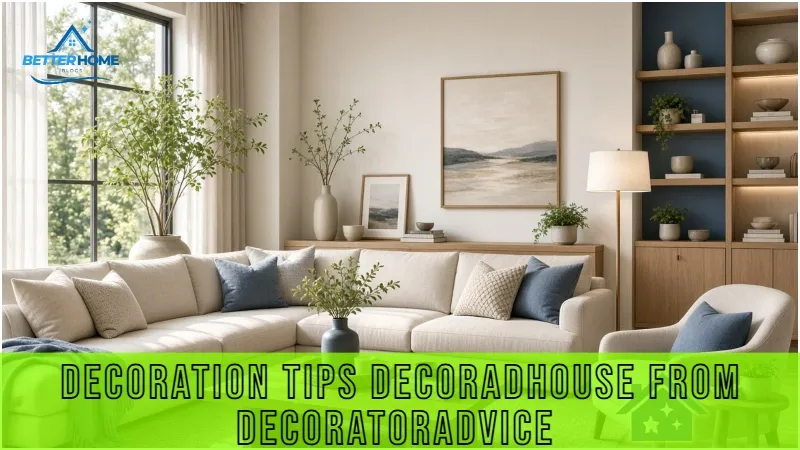
Many people scroll through perfect rooms on Pinterest or Instagram and feel discouraged. They assume their home can never look that good. Professional designers, however, rely on simple, repeatable principles rather than unlimited budgets. These tips work because they focus on real lifestyles, not pure aesthetics.
When you understand your space, choose colors strategically, layer lighting properly, and make decisions based on how you actually live, your home naturally improves. The Decoradhouse approach prioritizes function and comfort first. The goal is a home that works for you, not a showroom that looks good only in photos. This makes the advice sustainable, practical, and effective over time.
How to Plan Your Space Before Buying Anything
Planning is the most important first step, yet most people skip it. Many jump straight into shopping and later regret their purchases. Start by carefully observing the room. Measure the length, width, and height. Note the locations of windows, doors, power outlets, air conditioning units, and heaters. Watch how natural light moves throughout the day.
Create a simple floor plan on paper or with a free mobile app. Sketch possible furniture positions on this plan. This process helps you determine the right sofa size, the best placement for a dining table, and how much walking space you will have. In small apartments, this step is even more critical because every inch counts. Proper planning prevents expensive mistakes and keeps your budget under control.
Choose a Color Palette That Matches Your Lifestyle
Color strongly influences a room’s mood. The wrong choice can make a space feel smaller, darker, or restless. Follow the classic 60-30-10 rule. Use your dominant color on 60 percent of the room (walls and large furniture). Apply the secondary color to 30 percent (curtains, rugs, and medium-sized pieces). Reserve the accent color for the remaining 10 percent (cushions, artwork, and small décor).
Warm undertones such as beige, soft cream, or yellow-based gray create a cozy and inviting atmosphere. Cool undertones like blue-based gray or soft green feel modern and calm. Always test paint samples in the actual room at different times of day because natural and artificial light change how colors appear. If you like frequent updates, choose a neutral base so you can easily refresh the look with new accessories.
Layer Lighting for a Professional and Cozy Look
A single ceiling light makes a room look flat and lifeless. Professional results require three layers of lighting. Ambient lighting provides overall brightness through ceiling fixtures or recessed lights. Task lighting supports specific activities such as reading, studying, or cooking and includes table lamps, floor lamps, or under-cabinet lights. Accent lighting highlights artwork, plants, or architectural features.
Warm white bulbs in the 2700K to 3000K range create soft, relaxing light in the evenings. Maximize natural light during the day with sheer curtains or light-colored blinds. Save heavier drapes for nighttime privacy. Adding dimmer switches gives you full control over the mood. Good lighting affects not only how a room looks but also how it feels and how productively you use it.
Arrange Furniture for Better Flow and Function
Furniture arrangement shapes a room’s energy and usability. Place the largest piece first, usually the sofa or bed. Then create conversation areas where people can easily make eye contact. Keep walking paths at least 30 to 36 inches wide for comfortable movement. In smaller spaces, choose multi-functional furniture such as storage ottomans, sofa beds, or foldable dining tables.
Pull furniture slightly away from the walls to make the room feel more open. Symmetry works well in formal rooms, while asymmetry adds natural energy to living areas. Always match each piece’s scale to the room size. An oversized sofa in a small space quickly feels suffocating.
Use Texture and Textiles to Add Depth and Warmth
Rooms filled only with flat surfaces often feel boring. Texture creates depth and visual interest. Soft materials such as velvet cushions, wool throws, and cotton curtains add comfort. Rough textures like jute rugs, rattan baskets, and wooden elements bring a natural feel.
Smooth surfaces such as glass, metal, and polished wood provide contrast. Rug size matters greatly. The ideal rug lets the front legs of the sofa rest on it, grounding the seating area and making it feel connected. Layering textiles instantly makes a room feel warmer and more lived-in without creating clutter.
Bring Life into Your Home with Plants and Natural Elements
Plants do more than decorate; they bring life into a space. Low-maintenance options such as snake plants, pothos, ZZ plants, and peace lilies improve air quality and require little care. Place them in corners, on shelves, side tables, or in hanging planters.
Natural materials like wood, stone, woven baskets, and dried flowers also add an organic touch. If you cannot maintain live plants, high-quality artificial ones are acceptable, but real plants deliver a different energy. Greenery softens harsh lines and contributes to a calmer mental atmosphere.
Budget-Friendly Decoration Tips That Deliver Big Results
You do not need a large budget to transform your home. Refresh old furniture with paint or new upholstery. Create an accent wall with peel-and-stick wallpaper. Hunt for unique pieces at thrift stores, online marketplaces, or local markets.
Build a gallery wall using family photos, affordable prints, and personal artwork. Place mirrors strategically to reflect light and make the space feel bigger. New cushion covers, throws, and curtains can completely change a room’s look. Updating handles, knobs, and light fixtures instantly modernizes kitchens and bathrooms. These small upgrades often deliver more satisfaction than major renovations.
Small Space Solutions That Make Rooms Feel Larger
Smart choices make a significant difference in small apartments or compact rooms. Light neutral walls visually expand the space. Use vertical storage to free up floor area. Choose multi-purpose furniture whenever possible. Reflective surfaces such as mirrors and glass tables bounce light around the room.
Keep clutter to a minimum and leave some empty space intentionally. Tall furniture adds height and makes the room feel more open. Light-colored rugs and sheer curtains further enhance the sense of space. Every item should serve a clear purpose; otherwise, the room quickly feels crowded.
Seasonal Updates Without Full Redecoration
You don’t need to redecorate each season completely. In winter, introduce warmer textiles, deeper tones, and heavier curtains. In summer, switch to lighter fabrics, fresh greens, and breathable materials. Changing only cushions, throws, table runners, and a few accessories can make the room feel new. Seasonal plants or flowers also shift the mood. This approach is budget-friendly and keeps your home feeling fresh year-round.
Common Decorating Mistakes You Should Avoid
One of the most common mistakes is trying to make everything match perfectly. A curated look almost always feels better than a fully coordinated one. Ignoring furniture scale throws a room out of balance. Relying only on overhead lighting creates a flat appearance. Hanging artwork too high or too low looks amateur; eye level is ideal. Failing to leave a contingency in your budget often leads to stress later. Blindly following trends is another frequent error. Your lifestyle and comfort should always come first.
Final Checklist for Applying These Decoration Tips
Start by measuring and planning your space carefully. Decide on a color palette and follow the 60-30-10 rule. Add three layers of lighting. Place furniture with function first, then style. Introduce texture, plants, and personal items for depth. Keep your budget under control and stay flexible with the seasons. Make every decision intentional. Start with one room. Consistency gradually transforms the entire home.
This complete guide gives you clear direction. The real purpose of decoration tips decoradhouse from decoratoradvice is to help your home reflect your personality and lifestyle. When you follow these principles, your home becomes not only beautiful but also comfortable and functional. Take a small step today—whether by improving the lighting, adding a plant, or choosing a color palette. Consistent small efforts create lasting change.
For more information, visit our website.