
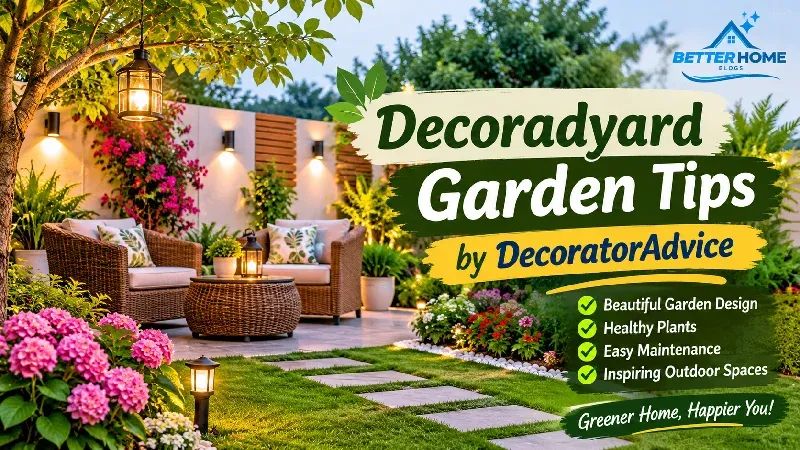
A beautiful garden is more than just an outdoor space filled with flowers and greenery. It is a peaceful environment where you can relax, connect with nature, and improve your home’s appearance. Whether you have a spacious backyard, a small patio, or a few outdoor containers, the right gardening techniques can make a significant difference.
Creating and maintaining a healthy garden does not always require expensive tools or professional landscaping services. With proper planning, suitable plants, healthy soil, and regular maintenance, anyone can develop an attractive outdoor space. In this guide, we explore practical ideas inspired by decoradyard garden tips by decoratoradvice to help beginners and experienced gardeners achieve better results.
Start with a Clear Garden Design Plan
Before purchasing plants or decorating your outdoor area, take time to understand your available space. Consider the garden’s size, sunlight exposure, soil conditions, and drainage.
Divide your garden into sections based on their purpose. For example, you can create a flower bed, a vegetable-growing corner, a seating area, or a pathway surrounded by greenery.
A well-organized layout makes your garden look more attractive and easier to maintain. Avoid overcrowding plants, as they need enough room for healthy root development and proper air circulation.
Expert tip: Observe how sunlight moves across your garden during the day. This simple step helps you choose plants suited to sunny and shaded locations.
Choose Plants According to Your Climate
Selecting the right plants is one of the most important decisions in gardening. Not every plant grows successfully in every environment. Temperature, humidity, rainfall, and sunlight all influence plant development.
For warmer climates, consider heat-tolerant varieties such as marigolds, zinnias, bougainvillea, and suitable regional flowering plants. Herbs such as mint, basil, and rosemary can also be excellent additions when their growing requirements are met.
For shaded areas, choose plants that can tolerate limited sunlight rather than placing sun-loving varieties in unsuitable locations.
Following decoradyard garden tips by decoratoradvice means understanding your garden’s natural conditions before you plant. Choosing plants that suit your environment can reduce maintenance requirements and improve long-term growth.
Improve Soil Quality for Strong Plant Growth
Healthy soil provides the foundation for a successful garden. It supplies essential nutrients, supports root development, and helps plants absorb water effectively.
Start by checking your soil texture and drainage. Sandy soil usually drains quickly, while heavy clay soil can hold too much moisture. Adding suitable organic matter, such as mature compost, can improve soil structure and support beneficial microorganisms.
Avoid applying fertilizers without understanding your plants’ nutritional requirements. Excessive fertilizer can damage roots and create unnecessary nutrient imbalances.
For better results:
- Add well-decomposed compost to garden beds.
- Remove stones and unwanted weeds before planting.
- Improve drainage in areas where water collects.
- Consider soil testing when plants repeatedly struggle.
According to the Royal Horticultural Society (RHS), adding organic matter is an effective way to support plant growth and maintain soil health.
Water Your Garden the Right Way
Watering is essential, but incorrect watering practices can create problems. Too much water can cause root rot, while insufficient moisture can weaken and stress plants.
Water plants according to their species, soil type, container size, and weather conditions. Check the soil before watering instead of following a fixed daily schedule.
Early morning is generally a suitable time because plants can absorb moisture before temperatures rise. Water near the base of plants to deliver moisture closer to their roots.
During hot summer months, container plants may require more frequent attention because their soil dries faster than garden beds.
A useful principle is to water deeply when needed rather than giving plants frequent, shallow watering.
READ ALSO: Decoradhouse Garden Tips by DecoratorAdvice Practical Ideas for a Beautiful and Healthy Garden
Use Mulching to Protect Your Garden
Mulching is a simple technique that offers several gardening benefits. It involves covering the soil surface with materials such as organic compost, shredded bark, dry leaves, or suitable decorative stones.
Organic mulch helps conserve soil moisture, suppress weeds, and gradually improve soil quality as it decomposes.
Apply an appropriate layer around plants while keeping the material away from stems and tree trunks. This prevents excessive moisture from collecting directly against plant tissues.
Mulching also creates a cleaner appearance and reduces the time required for routine garden maintenance.
For homeowners looking for practical decoradyard garden tips by decoratoradvice, mulching is an especially useful approach because it combines garden decoration with long-term soil care.
Maintain Your Garden with Regular Pruning
Pruning helps plants maintain their shape, encourages healthy development, and removes damaged or diseased growth.
Use clean, sharp gardening tools to trim unwanted branches and dead flowers. Different plants require different pruning schedules, so research each variety’s specific needs before cutting.
For flowering plants, removing faded blooms can encourage additional flowering in certain species. However, avoid excessive pruning because it can weaken plants and reduce future blooms.
Regularly inspect leaves, stems, and branches for signs of disease, insect damage, or unusual discoloration.
Choose Natural Methods for Pest Control
Garden pests can damage leaves, flowers, and vegetables if left unmanaged. However, you don’t always need to use strong chemical pesticides right away.
Begin by identifying the pest and understanding the extent of the problem. Remove heavily damaged leaves, maintain good airflow, and avoid overwatering.
Encourage beneficial insects such as ladybirds and pollinators by growing suitable flowering plants. These insects contribute to a healthier garden ecosystem.
Other useful practices include removing weeds, cleaning gardening tools, and checking plants regularly.
The RHS recommends prioritizing non-chemical approaches and using targeted treatments only when necessary.
Add Decorative Elements Without Overcrowding
A garden should reflect your personal style while remaining functional. Decorative elements can improve its appearance without requiring expensive renovations.
Consider adding:
- Attractive garden containers for seasonal flowers.
- Natural stone pathways for a more organized look.
- Outdoor seating for relaxation.
- Solar-powered lights for evening ambiance.
- Vertical planters for limited spaces.
- Decorative borders to separate planting areas.
Choose a consistent color scheme and combine different plant heights and textures to create visual interest.
Remember that decoration should complement the plants rather than compete with them. A balanced garden often looks more elegant than an overcrowded outdoor space.
Follow a Consistent Garden Maintenance Routine
Even a beautifully designed garden needs regular attention. A simple maintenance schedule can prevent small problems from becoming expensive challenges.
Check soil moisture, remove weeds, inspect plants, clean pathways, and replace damaged flowers when necessary.
Seasonal maintenance is equally important. Prepare plants for extreme temperatures, adjust watering according to weather conditions, and protect sensitive varieties when needed.
Keep a gardening journal to record planting dates, watering routines, flowering periods, and problems you encounter. These observations help you make better decisions in future growing seasons.
Final Thoughts
Building a beautiful and healthy garden is a gradual process that requires patience, observation, and consistent care. From selecting climate-appropriate plants to improving soil quality and managing pests naturally, every small decision contributes to better gardening results.
The key lessons behind Decoradyard garden tips by decoratoradvice are simple: understand your outdoor space, choose suitable plants, protect your soil, and maintain a balanced garden design.
You do not need a large budget or professional equipment to create an inviting outdoor environment. Start with manageable improvements, learn from your plants, and gradually develop a garden that brings beauty, comfort, and lasting enjoyment to your home.