
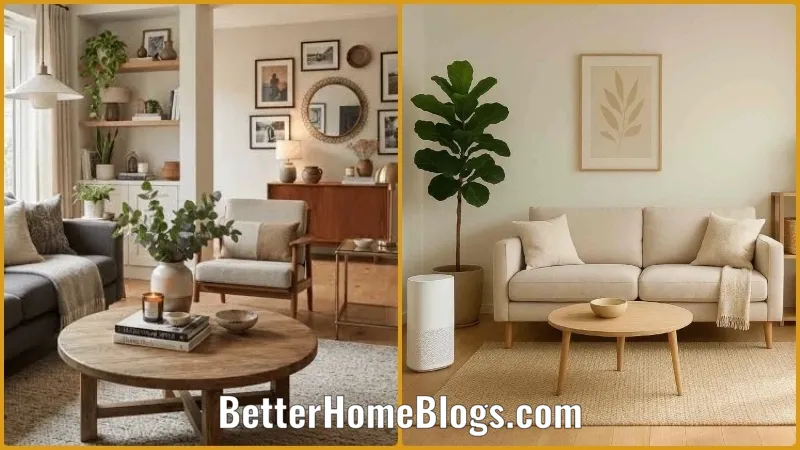
DrHomey Interior Design is a realistic solution for designing interior spaces that look appealing, comfortable, and useful. The best interior decorating is not just about picking out beautiful furnishings or following current decorating fashions. It’s about knowing how a space is used and then placing colors, lighting, furniture, storage, and decorative objects to enhance daily life.
A perfect home can contribute to the comfort, organisation, and ambience of each room. From relocating a small apartment to refreshing a family living room or designing a home makeover, strategic design decisions can make an impact, even with a limited budget.
This guide will look at some of DrHomey interior design tips, including space planning, color selection, lighting, furniture, storage, decoration, and budget-friendly upgrades.
What Is DrHomey Interior Design?
DrHomey interior design can be described as a style of design that is truly related to the home, which is both stylish and comfortable, organised and functional. In every room, it’s not just about making it pretty; it’s about making it functional and useful for the people who use it.
This method can be used in various interior decorating styles such as modern, minimalist, traditional, contemporary, rustic, transitional, etc. The most important thing is making sure that you select things that fit with the home and fulfil the family members’ needs.
If you have a successful interior, you’ll be able to answer a few simple questions: Does the furniture fit the room? Do you have sufficient storage space? Are there well-lit areas? Do you feel comfortable with the colors? Are there any obstacles that hinder mobility?
Why Interior Design Matters
Interior design has more than an aesthetic impact. The layout of a room can affect the room’s comfort and utility.
A cramped living room can feel uncomfortable, regardless of the price tag on its furnishings. However, a small room can appear larger if the furniture and items selected are right for the space and if items of no importance are eliminated.
Good interior design can help you:
- Make better use of available space
- Improve room functionality
- Create a more welcoming atmosphere
- Organize household belongings
- Improve lighting and visual balance
- Reflect your personal taste
- Refresh an outdated interior
- Increase the practical value of your home
Start With Smart Space Planning
When shopping for furniture or accessories, think about the room’s furniture arrangement. Determine room dimensions and locate doors, windows, electrical outlets, and permanent objects.
Provide open space connections between critical areas. For instance, it’s important that people can easily get from the sofa to the kitchen or the bedroom to the bathroom without having to move from side to side or travel around any unnecessary furniture.
Don’t store a lot of large objects in a small space. Prefer furnishings that are proportional to the room.
Use Furniture According to the Room
There should be an objective behind using furniture. Large sectionals can fit in a large family room but not so in a small living space!
Consider furniture with multiple functions when space is limited. Extra storage space can be achieved without taking up too much room with storage ottomans, extendable dining tables, beds with drawers, and wall-mounted shelves.
Choose a Balanced Color Scheme
One of the most straightforward methods to alter an interior is with color. But when using multiple colors, a room can become chaotic.
One easy way to do this is to choose a dominant color, a secondary color, and one or two accent colors.
Shades of neutral, white, beige, grey, cream, and soft earth tones can serve as a soothing base. Then using cushions, art, rugs, curtains, plants, or smaller pieces of furniture can add some personality.
Dark colors can be perfect if done right as well. A deep accent wall, dark cabinet, or rich decorative feature can help to add depth without adding weight to the entire room.
Improve Your Home With Layered Lighting
The lighting is one of the most important aspects of interior design. Even a nice furniture room can be uninviting with insufficient lighting.
To avoid using just one ceiling light, mix and match different types:
Toro Lighting: Ambient lighting to provide overall room illumination.
Task lighting: Lighting that aids in activities like reading, cooking, studying or work.
Accent lighting: Lights up artwork, architecture, shelves, or decorations.
Light from the outside should also be considered. Maintain relatively clear windows and curtains or blinds that can be drawn to control light and privacy.
Create a Comfortable Living Room
The living room is a place to rest and relax and is frequently used as a social space, so comfort is still important.
Organise the main seating around a focal point. It may be a television, fireplace, coffee table, art or appealing architectural part.
A rug can be used to tie in furniture and to mark the seating area. Introduce texture with cushions and throws, but don’t go overboard with accessories.
Natural plants can also bring a natural touch to the living room. Choose varieties based on the amount of light and maintenance.
Make the Bedroom Calm and Functional
In a bedroom, you want to see a space that feels relaxed and comfortable and offers a place to store things.
Select bedding fabrics that match the desired color palette. Softer shades give a more tranquil look, and darker tones liven up the room and add character.
Remove any extra items from the bedroom. You can keep necessary items organised without cluttering the space with a simple nightstand and storage.
The same goes for lighting. Sitting lamps or wall lights that can be positioned can offer helpful light without the need for overhead lights.
Design a Practical Kitchen
Functionality is an important consideration in kitchen design. The refrigerator, cooking area, and sink placement, as well as preparation surfaces and cabinets, should facilitate an efficient workflow.
Have appliances and other cooking items easily accessible. Utilise drawers, shelves, organizers, and vertical storage to maximize cabinet space.
Lighter colors, reflective surfaces, and good lighting can make a small kitchen seem spacious.
Use Storage as Part of the Design
Storage does not have to look boring. Well-designed storage can become an important decorative feature.
Consider:
- Floating shelves
- Built-in cabinets
- Storage benches
- Baskets and decorative boxes
- Under-bed storage
- Tall bookcases
- Entryway organizers
- Multi-purpose furniture
The key is to keep frequently used items accessible while storing less-used belongings out of sight.
Add Personality Through Accessories
A home should feel like home and not a furniture showroom! Accessories are an easy way to express individual taste. A room can be made interesting by artwork, photographs, books, plants, rugs, mirrors, ceramics, and decorative objects. But for decoration, an element of visual balance is best. Choose some appropriate items rather than filling in all the blank spots.
Smaller rooms can benefit from using mirrors as well. They can help to reflect light and give the appearance of a larger space when arranged carefully.
Combine Different Textures
Texture adds depth to an interior even when the color palette is simple.
You can combine materials such as:
- Wood
- Cotton
- Linen
- Wool
- Glass
- Metal
- Stone
- Ceramic
For example, a wooden coffee table can be paired with a soft fabric sofa, woven rug, ceramic accessories, and metal lighting. These contrasting textures make the room more visually interesting.
Affordable DrHomey Interior Design Ideas
Sometimes drastic remodelling is not a requirement to enhance your home. Small changes can have a big impact. Consider replacing dated curtains, rearranging furniture, adding a new rug, new cabinet hardware, plants, or an accent wall. Another way to transform a room without spending a single dollar is to declutter. Toss out what is no longer needed and put away items you’ve decided to keep.
Another alternative is to spruce up used furniture. Familiar pieces can be given a new look by reupholstering chairs, repainting a small table, or replacing cushions.
Common Interior Design Mistakes to Avoid
A good design idea can go wrong if it isn’t considered in relation to the room. A frequent error is purchasing furnishings without measuring the area. Always measure before ordering big pieces! The other error is inadequate lighting. A room may require several light sources instead of a single overhead fixture. Too many decorations can lead to clutter, too. Decorations should be in harmony with the room, not standing out.
Lastly, don’t follow too many trends. Fashions come and go fast, but a thoughtfully designed interior can be functional and beautiful for years to come.
How to Create a Timeless Interior
The key to a classic interior is a functional base. Invest in furniture that fits the right proportions, use a similar color scheme, and choose the best quality furniture you can afford. This can then be done by simply adding in the latest trends with replaceable items like cushions, artwork, lamps, and small decorative pieces.
The advantage of this approach is that you can make changes to your home without completely redesigning it when styles change. For more information, visit my website, betterhomeblogs.
Conclusion
Beauty and utility are both important aspects of DrHomey interior design. There’s no need for fancy furniture, elaborate decorations, or frequent renovations to create a successful home. It requires careful design, appropriate color, appropriate furnishings, proper lighting, smart storage solutions, and personalisation.
When you’re creating a new home or remodelling a room, begin by looking at how you really use the room. Clear away the unnecessary clutter, select furniture that fits, enhance lighting, and add personal touches slowly. These guidelines allow you to build an interior that’s pleasing, comfortable, practical, and suitable for living.