
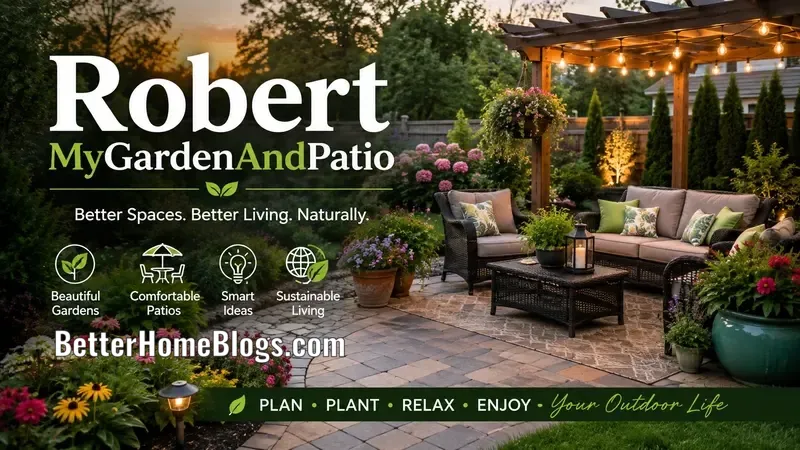
Robert MyGardenAndPatio focuses on practical ways to improve gardens and patios while making them more comfortable, attractive, and useful. It covers important aspects of outdoor design, including plant selection, furniture placement, privacy, lighting, durable materials, and efficient use of available space.
The concept also places importance on sustainable outdoor living. Water-saving methods, suitable plants, composting, rainwater collection, and the reuse of materials can help create environmentally responsible gardens while reducing maintenance needs.
A thoughtfully designed outdoor area can serve many purposes, from relaxing and entertaining to gardening and spending quality time with family. Future-focused ideas include smart irrigation, energy-efficient lighting, climate-resistant plants, multifunctional patios, and creative solutions for smaller spaces.
Robert MyGardenAndPatio ultimately encourages homeowners to approach outdoor design with a balance of functionality, comfort, appearance, and sustainability. With proper planning and practical improvements, gardens and patios can become valuable extensions of everyday living spaces.
What Is Robert MyGardenAndPatio?
Robert MyGardenAndPatio can be viewed as an outdoor-living concept focused on improving gardens, patios, and surrounding home spaces. Rather than treating a garden or patio as an unused extension of the house, the goal is to create an area that combines beauty with practical function.
A successful outdoor space usually considers several factors, including available space, climate, furniture, plants, lighting, privacy, maintenance, and the lifestyle of the people using it.
Why Garden and Patio Planning Matters
A beautiful outdoor area does not necessarily require a huge budget. Good planning can make even a small space feel organised and inviting.
A carefully planned garden or patio can:
- Create an additional area for relaxation and entertainment
- Improve the appearance of a property
- Provide space for flowers, herbs, vegetables, or trees
- Increase privacy around the home
- Encourage more time outdoors
- Make better use of previously unused space
- Support environmentally friendly landscaping practices
Box Details: Essential Outdoor Planning
Robert MyGardenAndPatio — Quick Planning Box
Main focus: Garden and patio improvement
Key priorities: Comfort, appearance, functionality, and sustainability
Important elements: Plants, seating, flooring, shade, lighting, drainage, and privacy
Best approach: Plan the space before purchasing materials or furniture
Long-term goal: Create an outdoor area that remains useful and attractive for years
Designing a Functional Patio
The patio should match the way the space will actually be used. A family that regularly hosts visitors may need a larger dining and seating area, while someone looking for a quiet retreat may prefer comfortable chairs, greenery, shade, and subtle lighting.
Choosing durable materials is equally important. Patio surfaces should be suitable for the local weather and easy to maintain. Furniture should also be selected according to exposure to sunlight, rain, humidity, and seasonal temperature changes.
Building a Better Garden
A productive garden begins with understanding the environment. Before selecting plants, consider sunlight, soil quality, drainage, water availability, and seasonal conditions.
Native or climate-appropriate plants can often be a smart choice because they are better adapted to local conditions. Combining trees, shrubs, flowers, ground cover, and edible plants can create a garden that is both visually interesting and useful.
Creating Privacy Naturally
Privacy does not always require tall walls or expensive structures. Plants can provide a softer and more natural solution.
Hedges, climbing plants, shrubs, and strategically positioned trees can help divide an outdoor space while adding color and texture. Trellises and planter boxes can also provide privacy in smaller patios or balconies.
Outdoor Lighting
Lighting can transform an outdoor area after sunset. Instead of relying on one bright light, consider several layers of illumination.
Pathway lights can improve visibility, while wall or overhead lighting can illuminate seating and dining areas. Decorative lights can create a warmer atmosphere without overpowering the garden.
Energy-efficient lighting, including solar-powered options where appropriate, can also reduce ongoing energy use.
Sustainability in MyGardenAndPatio
Modern outdoor design increasingly focuses on sustainability. Simple decisions can reduce water consumption, waste, and maintenance requirements.
Rainwater collection, composting, mulching, drought-tolerant plants, permeable surfaces, and efficient irrigation are examples of practical improvements. Reusing existing furniture or materials can also reduce unnecessary spending and waste.
Sustainability Box
Choose plants suited to the climate, improve soil naturally, reduce unnecessary watering, reuse materials when possible, and avoid designs that require excessive maintenance.
Common Mistakes to Avoid
One of the biggest mistakes is buying furniture, plants, or decorative items before deciding how the space will function. This can lead to overcrowding and unnecessary expenses.
Other common mistakes include:
- Ignoring drainage requirements
- Choosing plants without considering their mature size
- Using unsuitable outdoor furniture
- Forgetting shade and weather protection
- Installing inadequate lighting
- Creating a design that requires more maintenance than the owner can manage
- Failing to leave enough walking and working space
Future Plan for Robert MyGardenAndPatio
The future of garden and patio design is likely to combine comfort, technology, sustainability, and flexible outdoor living.
1. Smart Outdoor Technology
Smart irrigation systems, automated lighting, weather sensors, and connected outdoor devices can make gardens easier to manage while potentially reducing water and energy consumption.
2. More Sustainable Landscaping
Future outdoor spaces will increasingly emphasize native plants, water conservation, organic soil improvement, recycled materials, and environmentally responsible construction.
3. Multi-Purpose Outdoor Rooms
Patios are becoming more than simple seating areas. Future designs may combine outdoor kitchens, dining areas, workspaces, entertainment zones, gardens, and relaxation areas within one coordinated space.
4. Climate-Resilient Gardens
Changing weather patterns make plant selection and water management increasingly important. Gardens can be designed to cope better with heat, heavy rainfall, drought, and changing seasonal conditions.
5. Smaller but Smarter Spaces
Urban homes often have limited outdoor areas. Vertical gardens, container planting, foldable furniture, wall-mounted features, and multifunctional layouts can help homeowners get more value from smaller spaces.
Final Thoughts
Robert MyGardenAndPatio highlights an important principle: a successful outdoor space should be designed around real-life needs rather than appearance alone. Whether the project involves a small patio, a family garden, or a larger outdoor living area, thoughtful planning can improve comfort, functionality, and long-term value.
The strongest future designs will combine attractive landscaping with durable materials, smart technology, sustainability, and flexible spaces. With the right approach, even an ordinary outdoor area can become a comfortable and valuable part of everyday life.
For more information, visit my website, BetterHomeBlogs.